The Science of Touch, Sound, and Sight: How Sensory Packaging Shapes What Consumers Buy and Who They Stay Loyal To
When a consumer lifts a perfume bottle and feels the cold density of thick glass beneath their fingers, something neurological happens well before the fragrance reaches their nose. The brain begins constructing a perception of quality, exclusivity, and trustworthiness — all from a single tactile moment. This is not coincidence. It is engineering.
Across the American beauty market, a growing number of brands and their packaging partners are treating the physical experience of a product as a primary design brief, not an afterthought. The discipline, sometimes called sensory packaging design, draws from neuroscience, behavioral psychology, and industrial design to create objects that communicate brand value through every available physical channel: what consumers see, feel, hear, and even smell when they interact with the package itself.
Understanding what drives these decisions — and why they work — has become essential knowledge for any beauty brand seeking to differentiate in an increasingly crowded retail and e-commerce landscape.
Why the Brain Responds to Packaging Before the Product
Neuroscientists refer to the phenomenon as "embodied cognition" — the idea that physical sensations influence abstract judgments, including assessments of quality and price fairness. In practical terms, this means that a consumer who holds a heavier package will often rate the enclosed product as more effective, even when the contents are chemically identical to a lighter alternative.
Research published in the Journal of Consumer Psychology has demonstrated repeatedly that haptic feedback — the information we receive through touch — activates the same neural reward pathways as visual pleasure. For beauty brands, this creates an opportunity to manufacture perceived value at the packaging level, before a single claim on the carton is read.
Designers who specialize in prestige beauty packaging frequently describe their work as a form of storytelling conducted in three dimensions. The narrative begins the moment the consumer's hand closes around the object.
Texture as Brand Language
Surface texture is among the most powerful and underutilized tools available to beauty packaging designers. Matte soft-touch coatings, embossed logos, raw kraft finishes, and lacquered gloss each generate distinct emotional associations that consumers process largely below the level of conscious awareness.
Soft-touch coatings — the velvety matte finish found on many prestige skincare cartons — are particularly effective at signaling restraint and sophistication. The tactile experience slows the consumer down, encouraging a more deliberate and emotionally engaged interaction with the product. Brands in the clinical skincare category have leveraged this effect to position themselves as credible and considered, even when their formulas compete directly with mass-market alternatives.
Conversely, high-gloss surfaces communicate immediacy and energy, making them well-suited to color cosmetics and fragrance launches targeting younger American consumers who associate shine with vitality and newness. The decision between matte and gloss is rarely purely aesthetic — it is a brand strategy conversation.
Embossing and debossing add a further dimension. When a logo or pattern is pressed into a carton or molded into a bottle, the consumer's fingertip traces the design even when their eyes are elsewhere. This reinforces brand recall in a way that printed graphics alone cannot achieve. Several independent American beauty brands have used this technique to compete effectively against legacy houses, creating a premium tactile signature on packaging budgets that could not otherwise support heavy material costs.
The Auditory Dimension: Why Clicks, Snaps, and Seals Matter
Sound design in packaging remains one of the least discussed and most consequential elements of the consumer experience. The click of a magnetic closure, the snap of a compact lid, the soft resistance of a dropper bottle's rubber bulb — each of these sounds transmits information about product quality with remarkable efficiency.
Automotive engineers have understood this principle for decades. The satisfying thud of a well-engineered car door closing is carefully tuned to communicate solidity and craftsmanship. Beauty packaging designers are applying the same logic. The closure mechanism on a luxury foundation compact, for example, is frequently engineered to produce a specific auditory profile — firm, clean, and resonant — that distinguishes it from the hollow snap of a mass-market equivalent.
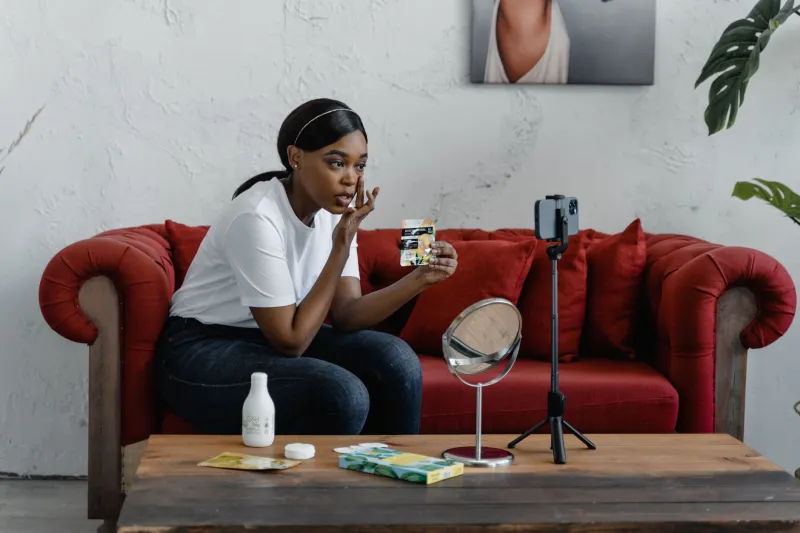
For American consumers who purchase beauty products online and encounter them first through unboxing content on platforms such as YouTube and TikTok, the auditory dimension of packaging has taken on additional commercial significance. A satisfying sound moment within an unboxing video functions as an implicit quality endorsement, reaching audiences far beyond the original purchaser. Packaging designers who account for this secondary audience in their briefs are effectively extending the marketing reach of a single design decision.
Weight Distribution and the Illusion of Generosity
The relationship between a package's weight and its perceived value is well-documented, but the more nuanced factor of weight distribution is less frequently examined. A bottle that is heavier at the base communicates stability and permanence. One that distributes weight toward the top can feel precarious and, by extension, insubstantial — regardless of the actual gram count.
Prestige fragrance houses have long understood this. The thick, weighted bases of many designer perfume bottles are not merely decorative; they create a center of gravity that the hand reads as authoritative and luxurious. Skincare brands investing in glass packaging are making a similar calculation, choosing vessel shapes that feel purposeful and grounded in the palm.
For brands transitioning from plastic to glass or aluminum as part of a sustainability initiative, weight distribution provides an opportunity to simultaneously elevate perceived quality. The shift itself, communicated through the physical experience of the new packaging, can justify a modest price increase while reinforcing the brand's commitment to elevated standards.
Building Emotional Memory Through Ritual
Perhaps the most commercially significant dimension of sensory packaging design is its capacity to create ritual. When every physical interaction with a product — the resistance of the cap, the sound of the seal, the temperature of the material — is consistent and pleasurable, consumers begin to associate the act of using the product with a reliable emotional reward.
This is the mechanism behind repeat purchase behavior in the prestige beauty segment. Consumers who describe themselves as "loyal" to a particular skincare brand are frequently loyal not only to the formula but to the entire physical experience the product delivers. Changing the packaging — particularly the tactile or auditory elements — can disrupt this loyalty in ways that brands consistently underestimate.
Several well-documented reformulation backlashes in the American beauty market have, upon closer examination, been triggered at least partly by simultaneous packaging changes that disrupted established sensory rituals. The product in the consumer's hand no longer felt like the product they remembered, and the emotional connection fractured accordingly.
Translating Sensory Design Into Supplier Conversations
For beauty brands approaching packaging development, the practical challenge lies in translating sensory objectives into precise manufacturing briefs. Suppliers capable of delivering soft-touch coatings, precision-engineered closures, and weighted glass components exist across the domestic and international supply chain, but identifying partners with genuine expertise in multisensory outcomes requires targeted sourcing.
Brands are advised to request sensory prototypes — physical samples evaluated not only visually but through systematic tactile and auditory assessment — before committing to production runs. Building a sensory scorecard, with defined criteria for texture, closure sound, weight, and material temperature, provides a replicable framework for evaluating supplier options against brand standards.
The investment in this level of specification is not trivial, but the return — measured in premium pricing tolerance, repeat purchase rates, and the organic reach generated by shareable unboxing moments — consistently justifies the additional development cost for brands operating in the mid-market and prestige segments.
Sensory packaging design is, at its core, a long-term brand investment. The brands that treat every physical touchpoint as a deliberate communication are the ones consumers remember, return to, and recommend. In a market saturated with visually compelling options, the package that rewards the hand as generously as it rewards the eye holds a durable competitive advantage.