5 Packaging Design Shifts Gen Z Is Forcing the Beauty Industry to Make Right Now
If you want to understand where beauty packaging is headed, watch what Gen Z reaches for — and more importantly, what they photograph, share, and return to. Born between 1997 and 2012, this consumer cohort has grown up in a world where a product's visual presence on a screen is as meaningful as its performance in hand. Their purchasing behavior reflects that reality, and the packaging industry is adjusting accordingly.
The brands winning Gen Z's loyalty in 2024 are not necessarily those with the biggest marketing budgets. They are the ones whose packaging communicates authenticity, challenges convention, and photographs extraordinarily well. Here are the five design trends driving that dynamic.
1. Maximalist Color Without Apology
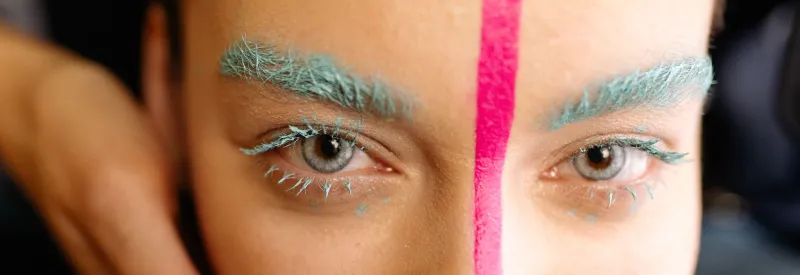
Subtle is no longer aspirational for this demographic. Gen Z beauty shoppers are gravitating toward packaging that makes a declarative visual statement — saturated hues, clashing color combinations, and graphic patterns that treat the product container as a canvas rather than a vessel.
Independent brands like Fenty Beauty and Uoma Beauty have demonstrated that bold color in packaging does not undermine perceived quality. If anything, it signals confidence. Emerging indie labels have taken that lesson further, producing limited-edition collections in holographic foils, neon colorways, and gradient finishes that function as collectibles as much as cosmetics.
For packaging suppliers, this trend has accelerated demand for specialty printing techniques — digital UV printing, thermochromic inks that shift color with temperature, and metallic lamination processes that can be executed at shorter run lengths to accommodate frequent collection rotations.
2. Gender-Neutral Design Language
The binary design conventions that once segmented beauty packaging into distinctly feminine and masculine categories are dissolving. Gen Z consumers, who are the most gender-fluid generation in American history by self-identification, respond poorly to packaging that feels exclusionary by design.
Gender-neutral packaging tends to favor clean geometry, typographic-led branding, and neutral or unexpected color palettes — think warm terracottas, deep forest greens, and architectural blacks — over the pink-and-gold or stark-black-and-silver codes that long defined gendered beauty. Brands like Jecca Blac and Fluide have built entire identities around this inclusive visual language, attracting loyal communities that feel genuinely seen by the packaging before they have even opened the product.
For established brands, this shift often requires a willingness to move away from legacy visual systems that may have decades of brand equity attached to them. The brands navigating this most successfully are those treating gender-neutral design as an evolution rather than an erasure of their identity.
3. The Unboxing Experience as a Design Deliverable
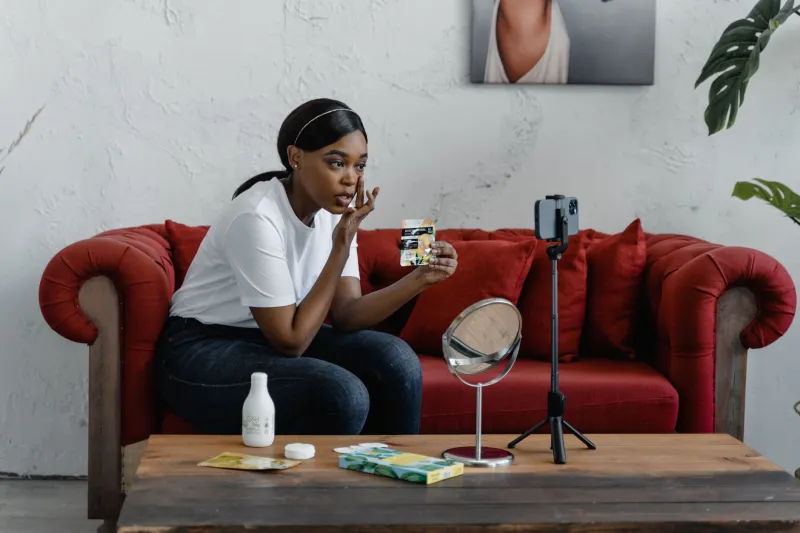
The unboxing video is no longer a secondary consideration in packaging design — it is a primary one. Gen Z consumers document their purchases, and a significant portion of their brand discovery happens through watching others do the same on TikTok, YouTube Shorts, and Instagram Reels.
This has made the sequential reveal of a package — the outer box, the tissue, the inner container, the product itself — a choreographed experience that packaging designers must now script intentionally. Brands are investing in magnetic closure boxes that open with satisfying resistance, tissue paper printed with brand messaging that feels too beautiful to discard, and inner packaging elements that create a moment of surprise or delight before the product is even visible.
Indie brand Glossier has long understood this dynamic, and its pink bubble-wrap pouches have become as recognizable as the products inside them. Newer entrants like Tower 28 and Topicals are similarly deliberate about the emotional arc of their unboxing experience, treating every layer as an opportunity to reinforce brand personality.
4. Micro-Packaging and the Sampling Culture
Gen Z approaches beauty consumption with a trial-first mentality. They are reluctant to commit to full-size products from brands they have not yet experienced, and they are vocal advocates for sampling as a standard part of the purchase journey. This has driven meaningful innovation in micro-packaging formats.
Beyond the traditional foil sachet, brands are developing miniature versions of their primary packaging — scaled-down containers with the same design integrity as the full-size product — that function as both sampling tools and collectible objects. Sephora's sampling programs and subscription services like Ipsy have normalized this format, but Gen Z expects the sample to feel as considered as the hero product.
For packaging manufacturers, micro-formats present both a technical challenge and a commercial opportunity. Producing a two-milliliter version of a complex primary container requires precision tooling and often different material specifications than the full-size equivalent. Suppliers who have developed competency in this area are well-positioned to serve the growing sampling economy.
5. Transparent and See-Through Components
Authenticity is a core value for Gen Z, and in packaging design, that value is increasingly expressed through transparency — literally. Clear and semi-transparent packaging components that allow consumers to see the product inside communicate honesty about formulation, color, and quantity in a way that opaque containers cannot.
This trend manifests in clear acrylic compacts, frosted glass serums, and translucent caps that reveal the product's color or texture. Brands like Summer Fridays and ILIA Beauty have incorporated transparent elements that feel simultaneously modern and trustworthy. The message is implicit but unmistakable: we have nothing to hide.
From a materials standpoint, this trend has increased demand for high-clarity resins, pharmaceutical-grade glass, and precision-molded acrylic components that maintain optical quality at scale. It has also prompted conversations about how transparent packaging interacts with product stability — UV-sensitive formulations, for instance, require careful consideration when the container itself offers no protection from light.
The Indie Influence on Legacy Brands
What makes these trends particularly significant is that they originated not in the R&D departments of multinational conglomerates but in the studios of indie founders who understood their peers intuitively. The industry is now watching as major beauty corporations acquire or replicate these design sensibilities, validating what the independent sector demonstrated first.
For packaging professionals — designers, suppliers, and brand managers alike — the lesson is clear: Gen Z is not a niche demographic to be addressed with a capsule collection. They are the future of the beauty market, and their design preferences are becoming the industry's new baseline.