Digging Through the Archive: How Beauty Brands Are Turning Vintage Packaging Into a Growth Strategy
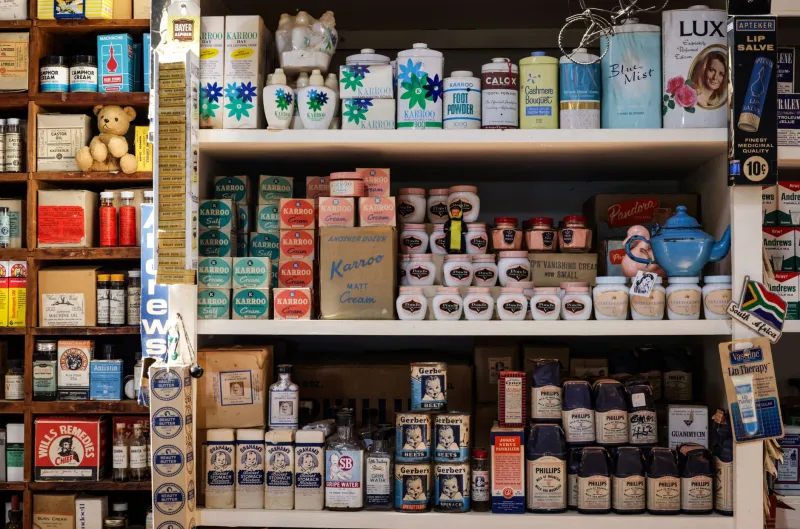
There is a compact sitting in the Estée Lauder archive that predates the Apollo program. Its proportions, its gold-toned hardware, its particular weight in the hand—these are design decisions that were made by people who could not have imagined the digital commerce environment in which that compact's descendants now compete. And yet, elements of that original design language are generating meaningful commercial returns for brands operating in 2024.
The revival of vintage and archival packaging aesthetics is not a new phenomenon in beauty. What is new is the strategic sophistication with which brands are approaching it—and the degree to which heritage design is being deployed not merely as a creative choice but as a deliberate instrument of market positioning.
Why the Archive Is Suddenly Strategic
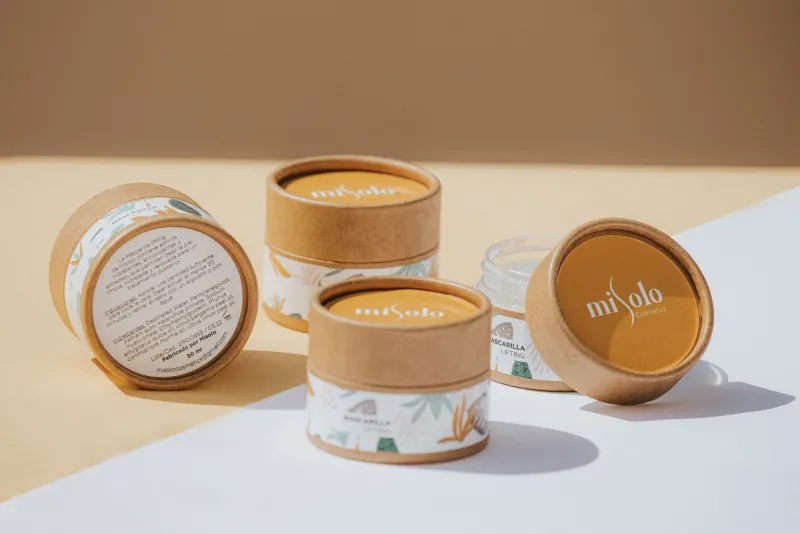
The commercial conditions driving this trend are worth examining clearly. The US beauty market has experienced a sustained period of aesthetic convergence. The dominance of clean, minimalist packaging—white labels, apothecary glass, sans-serif typography—that characterized the direct-to-consumer beauty boom of the 2010s has produced a shelf environment in which differentiation through contemporary design language is increasingly difficult.
Against this backdrop, brands with genuine archival depth have a structural advantage. Visual languages drawn from the 1960s through the 1990s carry a distinctiveness that is almost impossible to achieve through contemporary design because they emerged from entirely different manufacturing capabilities, cultural contexts, and aesthetic vocabularies. They look different because they are different.
Charlotte Tilbury's consistent deployment of old Hollywood glamour references—warm amber glass, ornate gold lettering, theatrical velvet textures—is a case study in how a relatively young brand can construct a heritage aesthetic without an actual heritage. The brand launched in 2013 but its packaging communicates a lineage that feels decades older. That manufactured heritage resonates with consumers who associate those visual codes with aspirational femininity and cinematic luxury.
Estée Lauder's periodic returns to its own archival design vocabulary—the Re-Nutriv line's gold-and-black codes, the occasional revival of compact shapes from the brand's mid-century catalog—operate differently. Here, the archival reference is genuine, and the brand's longevity gives those callbacks an authenticity that cannot be fabricated.
The Demographics of Nostalgia
One of the most strategically interesting dimensions of vintage packaging is its unusual demographic reach. Most design trends skew toward a specific consumer cohort. Heritage aesthetics, deployed thoughtfully, can work simultaneously across multiple generations—but for entirely different reasons.
For consumers who were young adults during the era being referenced—baby boomers encountering 1970s packaging codes, Gen X consumers responding to 1980s and 1990s visual languages—the appeal is genuinely nostalgic. These consumers have an emotional memory of the original design context, and encountering it again activates a form of brand loyalty that precedes their current purchasing relationship.
For younger consumers, particularly millennials and Gen Z, the dynamic is inverted. These consumers have no personal memory of the original context. Their attraction to vintage aesthetics is driven by a different mechanism: the appeal of the unfamiliar, the cultural cachet of retro references, and the social media photogenic quality of vintage-coded packaging in a feed dominated by contemporary minimalism.
This dual resonance is commercially significant. A packaging redesign that effectively deploys archival visual language can simultaneously retain legacy customers who might otherwise drift toward more medically positioned competitors and attract younger consumers drawn to the aesthetic novelty of design codes they have never encountered in their own consumer experience.
Authentic Homage Versus Aesthetic Pastiche
The risks of this strategy are real, and they are most visible in the distinction between brands that approach archival design with genuine rigor and those that apply vintage surface treatments without the underlying substance.
Authentic archival homage involves deep research into the original design context—understanding why specific choices were made, what manufacturing constraints shaped them, what cultural moment they were responding to—and then translating that understanding into contemporary packaging that carries the spirit of the original without simply photocopying its surface features. This kind of work typically involves collaboration with design historians, archivists, or specialists in period typography and industrial design.
Aesthetic pastiche, by contrast, involves borrowing the most recognizable surface signals of a vintage era—a particular color palette, a typeface style, a decorative border treatment—and applying them to packaging that has no deeper connection to the original context. The result often reads as costume rather than character: visually evocative but experientially hollow.
Consumers, particularly younger ones who have been immersed in design culture through social media, are increasingly sophisticated readers of this distinction. A packaging design that feels genuinely archival generates conversation and loyalty. One that feels like a trend exercise generates skepticism.
The Operational Complexity of Going Backward
Brands considering archival packaging strategies should account for several operational realities that are not immediately obvious from the creative brief.
Many vintage packaging formats involve manufacturing processes that are no longer standard. Certain glass mold profiles, specific metal embossing techniques, and particular lacquering methods that were common in mid-century production have either disappeared from the mainstream supplier landscape or survive only in specialized facilities with limited capacity. Sourcing authentic-feeling vintage packaging may require supplier development investment that significantly extends lead times and increases unit costs.
Labeling compliance adds another layer of complexity. Vintage design languages often prioritize decorative elements over the legibility and real estate requirements of contemporary US regulatory labeling. Integrating required ingredient lists, warning statements, and net weight disclosures into a design that was conceived in a pre-regulatory era requires careful structural problem-solving to avoid the kind of awkward label-within-label solutions that visually undermine the archival effect.
Intellectual property considerations are also relevant, particularly for brands drawing on specific cultural references from entertainment or fashion history. Ensuring that archival design elements do not inadvertently replicate protected intellectual property from the era being referenced is a legal review step that should be part of any archival design project.
Building a Sustainable Archival Strategy
The brands extracting the most durable commercial value from vintage packaging are those treating it as an ongoing strategic posture rather than a one-time campaign execution. This means maintaining genuine investment in archival research, building supplier relationships capable of delivering period-appropriate manufacturing quality, and developing the internal design capability to interpret archival references with enough fluency to avoid pastiche.
It also means being selective. Not every product in a brand's portfolio benefits equally from archival treatment. Hero products—the ones with the longest consumer relationships and the strongest brand equity—are typically the most appropriate vehicles for heritage packaging. Applying vintage aesthetics indiscriminately across an entire line risks diluting the signal and reducing the archival reference to mere decoration.
The beauty brands that will sustain competitive advantage through heritage design are those that treat the archive not as a costume closet but as a strategic asset: something to be studied, respected, and translated with the same rigor applied to any other dimension of brand investment.