Filmed Before It's Felt: Engineering Beauty Packaging That Converts on Camera and at the Counter

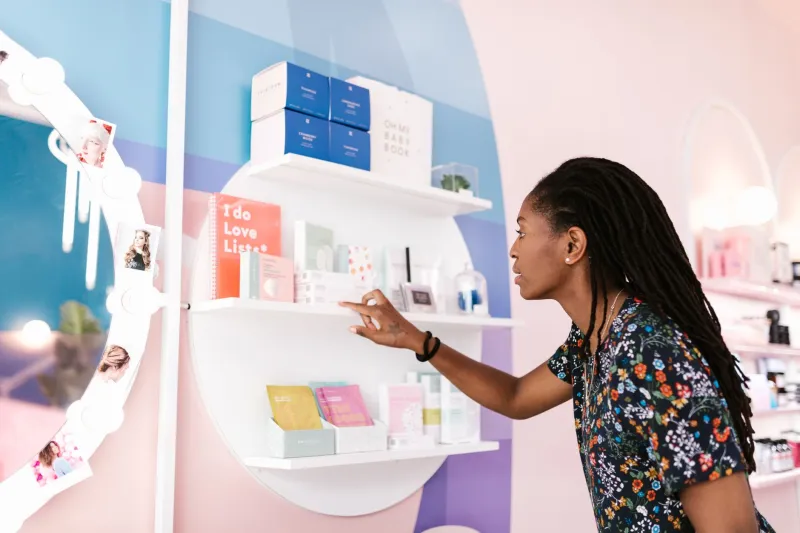
Photo by Photo by Ashley Piszek on Unsplash on Unsplash
There is a moment in virtually every successful beauty micro-influencer video when the packaging itself becomes the subject. Before the formula is applied, before the finish is assessed, before the verdict is delivered—the package is held up, rotated slowly, examined in the frame. For the brands whose packaging performs well in that moment, the commercial consequences are substantial. For those whose packaging falls flat under a ring light, no amount of shelf presence or print advertising fully compensates.
This is the new reality of beauty packaging design in the United States: the camera is a primary stakeholder, and the micro-influencer audience—numbering in the tens of thousands rather than the millions but converting at rates that frequently outperform celebrity-driven campaigns—is judging packaging before it judges product.
Why Micro-Influencers Set the Standard
The distinction between macro and micro-influencer audiences matters enormously for packaging strategy. Macro-influencer content—the million-follower accounts with professional lighting rigs and production teams—tends to flatten packaging details into polished, predictable imagery. The packaging looks good because the production environment is engineered to make everything look good.
Micro-influencer content operates under entirely different conditions. A creator with 12,000 engaged followers is filming on a phone, usually with natural light or a basic ring light, in a real bathroom or bedroom. The packaging must perform in that environment without assistance. Textures that a professional photographer would illuminate dramatically either read as interesting or disappear entirely. Colors that pop under controlled studio lighting may appear muddy or oversaturated in the warmth of a residential bathroom.
The brands that understand this distinction are designing packaging that is, in the parlance of digital media teams, "native" to the environments where micro-influencer content is actually produced.
The Physics of Packaging on Camera
Several specific design variables determine whether packaging translates well to mobile video, and they diverge in important ways from the variables that govern traditional retail shelf performance.
Surface reflectivity is perhaps the most consequential. High-gloss finishes, which read as premium in physical retail environments, create unpredictable hotspots under ring lights and can obscure embossed details that are central to the brand's visual identity. Satin and soft-touch matte finishes, by contrast, diffuse light more evenly and allow textural details to register clearly on camera. Several prestige brands have migrated away from full-gloss packaging specifically because of feedback from content creators about on-camera performance.
Color saturation and contrast behave differently in video than in print or on shelf. Colors that appear balanced and sophisticated in person can compress into indistinguishable tones when captured by a smartphone camera with automatic exposure compensation. Packaging designed for video often benefits from slightly higher contrast between background and foreground elements—not so extreme as to appear garish in person, but sufficient to survive the compression inherent in mobile video capture and streaming.
Structural silhouette matters more in video than conventional packaging wisdom suggests. When a product is held in frame, its three-dimensional profile communicates instantly. Unusual proportions, distinctive shoulder shapes on bottles, or unexpected closures create visual interest in the first half-second of a video—precisely the window in which viewer retention is won or lost.
The Dual-Channel Design Challenge
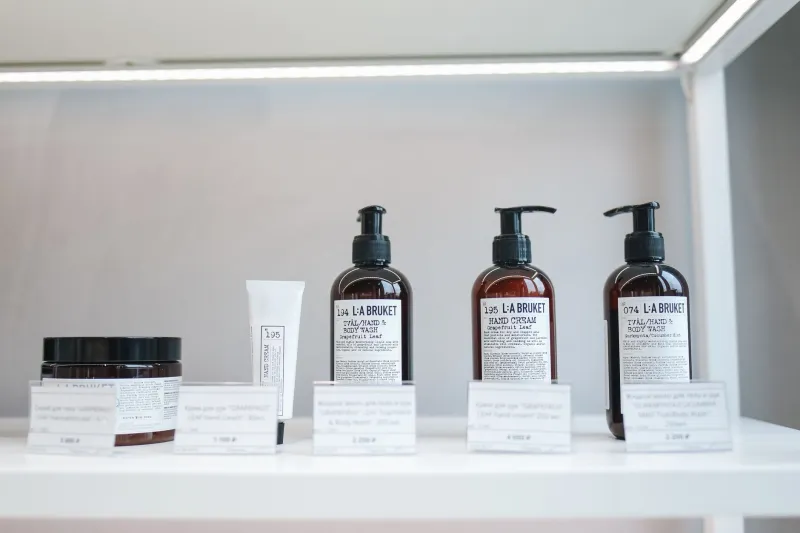
The practical challenge for beauty packaging designers is that optimizing for camera performance can, if pursued without discipline, create packaging that underperforms in physical retail. The consumer who encounters a product on a Sephora shelf or at a specialty retailer is engaging through touch as well as sight. The tactile experience of a closure, the weight of a bottle, the resistance of a pump—none of these translate to video, and packaging that sacrifices them entirely in pursuit of camera-native aesthetics risks alienating the consumer at the point of purchase.
The most successful dual-channel packaging strategies treat these as complementary rather than competing objectives. A soft-touch matte finish, for example, simultaneously photographs well under varied lighting conditions and delivers a premium tactile experience that reinforces price positioning at retail. Structural elements that create visual interest in video—embossed patterns, unexpected material combinations, distinctive closures—also provide physical engagement cues that drive trial in store.
The design brief for packaging that must win across both channels is more demanding than either brief in isolation, but the brands investing in that complexity are building packaging systems with significantly longer commercial lives.
What Brands Can Do Right Now
For beauty brands assessing their current packaging through this lens, several practical steps are immediately actionable.
First, conduct a systematic video audit of existing packaging. Film every SKU under ring-light conditions and natural window light, at arm's length and in close-up. Review the footage critically. What details disappear? What colors shift? Where do hotspots obscure key visual elements? This exercise frequently reveals issues that are invisible in traditional packaging review environments.
Second, engage micro-influencer creators—not for paid promotion, but for structured feedback—before finalizing packaging redesigns. These creators have an intuitive understanding of what performs in their content environment that is difficult to replicate through internal testing alone.
Third, review the brand's existing packaging guidelines to determine whether they account for digital performance alongside traditional retail metrics. Many brands are operating with guidelines written before mobile video became a primary distribution channel for beauty content, and the gap between those guidelines and current market realities is widening.
The packaging that wins in the micro-influencer economy is not necessarily the most expensive or the most technically sophisticated. It is the packaging that understands where it will be seen first—and designs accordingly.