Designed for the Frame: How Short-Form Video Is Rewriting Beauty Packaging from the Outside In
In the conventional model of beauty packaging development, the design brief begins with the retail shelf. What silhouette commands attention at three feet? What finish reads as premium under store lighting? What structural form communicates the brand's positioning to a shopper with thirty seconds of attention and fifty competing products in her peripheral vision? These have been the foundational questions of beauty packaging design for decades, and they remain relevant. But they are no longer the only questions that matter—and for a growing segment of the US beauty market, they may no longer be the first ones asked.
The rise of short-form video as the dominant discovery channel for beauty products has introduced a parallel design brief, one that operates under entirely different constraints. A packaging design that earns strong marks in a retail audit can fail completely when it appears in a 15-second TikTok unboxing. And a design that might have been considered excessive or gimmicky in a traditional retail context can generate hundreds of thousands of views and drive a product to sold-out status within 48 hours of posting.
The brands that are navigating this environment most effectively are not simply designing for virality. They are doing something more disciplined: they are understanding what the video frame demands, and building packaging systems that satisfy those demands without abandoning the functional and aesthetic standards that define their brand.
The Grammar of the Unboxing Frame
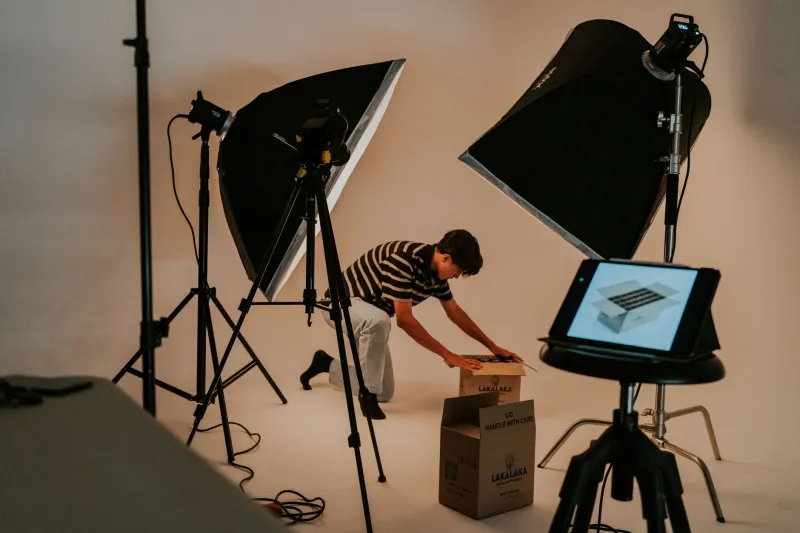
Short-form beauty content has developed its own visual grammar, and understanding it is essential for any brand that wants its packaging to perform in this environment. The frame is small—most viewers are watching on a phone screen, often without audio. The content moves quickly. The creator has, at most, a few seconds to establish visual interest before a viewer swipes away. In this context, packaging performs not as a static retail object but as a sequence of visual events.
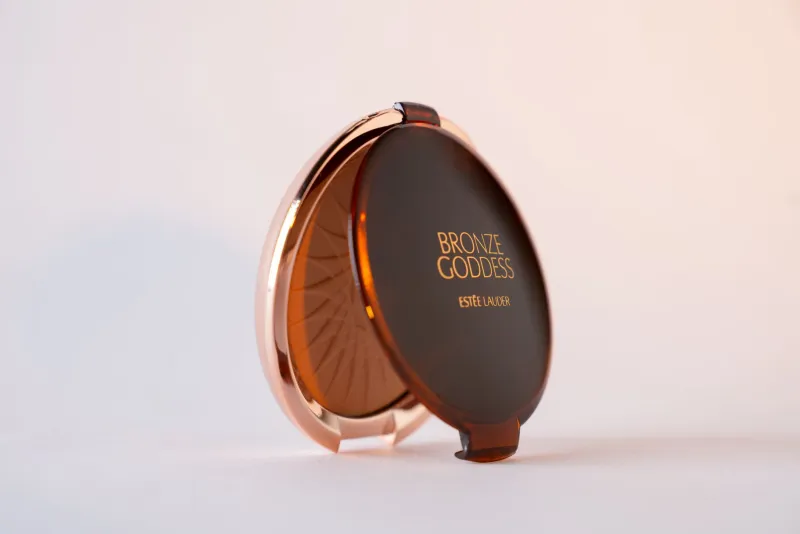
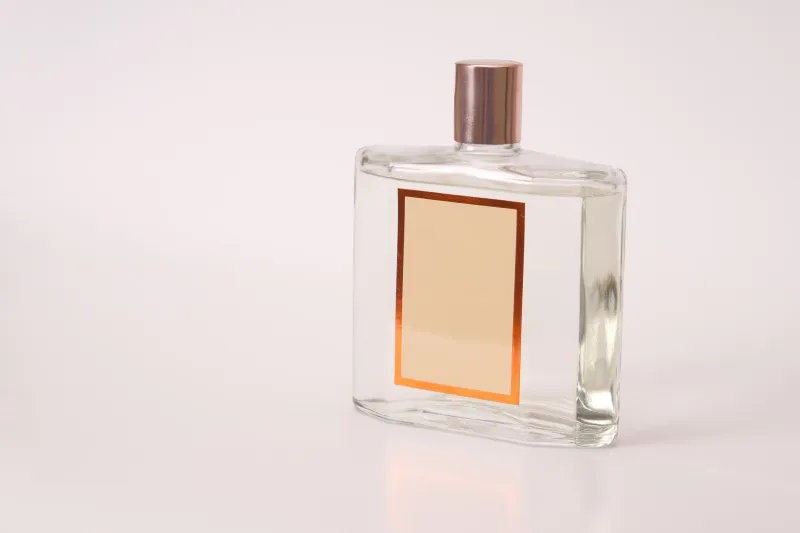
The elements that generate the strongest response in this format are, in order of consistent impact: reveal moments, tactile contrast, structural surprise, and color drama. A magnetic closure that snaps with authority. A lid that lifts to expose a color-coordinated interior. A tissue wrap that parts to reveal a product with an unexpected texture or finish. A glass bottle that catches light in a way that a smartphone camera renders as something close to cinematic. These are the details that stop a thumb mid-scroll, and they are increasingly the details that beauty brands are designing toward.
What is notable about this list is that none of these elements are intrinsically at odds with good packaging design. Magnetic closures, interior color coordination, and quality materials are all expressions of craft and attention to detail that prestige beauty consumers have always valued. The difference is that short-form video has made these elements legible at scale, giving them commercial significance they could not achieve through retail placement alone.
The Micro-Influencer as Design Critic
The specific dynamics of micro-influencer content—creators with audiences typically ranging from 10,000 to 150,000 followers—have introduced a design feedback loop that operates with a speed and specificity that traditional consumer research cannot match. A micro-influencer who posts an unboxing video and receives comments noting that the closure is difficult to open, that the product shifts inside its packaging during shipping, or that the outer box photographs beautifully but the inner vessel is disappointing is providing, in real time, the kind of granular structural feedback that brands previously received only through formal returns data or post-market focus groups.
Brands that are monitoring this feedback systematically—tracking not just sentiment but the specific packaging elements that generate comment and engagement—are accumulating a body of design intelligence that is genuinely novel. They are learning, for instance, that pump dispensers generate significantly more video engagement than screw caps because they allow the creator to demonstrate the product's texture and consistency in a single gesture. That outer boxes with magnetic closures are disproportionately featured in unboxing content relative to their market share, because the closure sound and sensation create an auditory and tactile moment that translates effectively to video. That matte black packaging, while visually strong in still photography, can appear flat and undifferentiated in the variable lighting conditions of a creator's filming environment.
The Tension Between Performance and Function
The risk embedded in designing packaging for video performance is the same risk that attends any design process organized around a single use case: it can produce packaging that excels in one context and fails in others. A tissue paper insert that creates a beautiful reveal moment in an unboxing video adds cost, creates waste, and contributes nothing to the consumer's experience after the first opening. A glass bottle engineered for dramatic light-catching geometry may be structurally compromised in the ways explored elsewhere in packaging engineering discussions. A magnetic closure that produces a satisfying snap on camera may lose its tension after a few months of regular use.
The brands that are managing this tension most effectively are approaching video performance as one dimension of a multi-criteria design brief rather than the organizing principle of the entire project. They are asking: what elements of this packaging can be optimized for video without compromising the consumer's ongoing experience? Where can we create visual drama through material choice or color rather than through added components that serve no functional purpose? How do we design a reveal sequence that feels genuine rather than manufactured—because creators and their audiences are exceptionally sensitive to the difference?
What Brands Can Actually Control
For beauty brands that are serious about building packaging that performs in short-form video without becoming packaging that only performs in short-form video, the practical levers are more limited than the conversation might suggest—and that is not a bad thing.
Material selection is the highest-leverage variable. Glass, metal, and high-quality rigid plastics all engage smartphone cameras in ways that commodity materials do not. Surface finish is the second. The contrast between a matte outer surface and a glossy interior, or between a brushed metal closure and a soft-touch body, creates the kind of tactile storytelling that video can communicate even without audio. Structural form is the third—not dramatic geometry for its own sake, but considered proportions that give a creator something interesting to hold and move within the frame.
The brands that will define beauty packaging for the next decade are not the ones that design primarily for the camera. They are the ones that design for the full arc of the consumer relationship—and understand that the camera is now, inescapably, where that relationship begins.